

What has witchcraft got to do with the Knights Templar? In a book out later this year, I’m going to argue that the trials of the Knights Templar foreshadowed the witch hunting mania that was about to grip Europe for three centuries. Many of the elements of what were witnessed in the witch trials from the 1400s to 1700s can be seen in the prosecution of the Templars between 1307 and 1312. Let me argue my case!
The arrest and imprisonment of the Knights Templar between 1307 and 1314 shocked Christian Europe – with allegations of heresy and sodomy. But it foreshadowed the witch hunt mania that would grip Europe for centuries. Allegations of magic and necromancy would be used increasingly with what happened to the Templars setting a grim new standard for torture and mass execution.
When the Templars were arrested, jailed, and tortured, the two main accusations were – heresy and sodomy. But there was a new twist to both charges. Allegations of Satanism and necromancy were included so the knights were effectively depicted as enemies of Christ and his church.
DISCOVER: Top ten heresies against the Catholic church
This made it far harder for them to respond to such claims. Heresy on its own is the rejection of Roman Catholic teaching – and it would have been fairly easy for the order to show that they had always been faithful sons of the church. However, once the Templars were being accused of worshipping a devilish head that spoke to them and engaging in a kind of black mass…things got harder for them.
This represented a new and growing trend in late medieval society to bring down individuals and groups with accusations of witchcraft. Even the kiss that Templars allegedly gave each other on the backside would find an echo in future witch trials with the so-called ‘osculum infame‘, where a witch would greet the Lord of Darkness by planting her lips on his anus. Roughly translates as the Kiss of Shame.
But what evidence is there that King Philip IV of France really believed in witches – or that he truly believed the Templars were sorcerers? Well, surprisingly, the proof is there. If anything, Philip was rather obsessive on the subject.
At the same time the Knights Templar were on trial, there were other legal proceedings in France blending heresy and witchcraft. And there’s little doubt that King Philip IV of France, the monarch who set out to destroy the Templars, was a sincere believer in diabolic magic. Going after the knights wasn’t just about their money. Judging by his other actions during his reign, Philip bought into the sorcery and Satanism big time.
Running parallel with the Templar trials was the prosecution of a bishop accused of killing Joan of Navarre, the queen of France, with spells. Fortunately for this bishop, Philip eventually lost interest in the case but not before he had spent a great deal of money and resources trying to prove his wife’s death in childbirth had been the result of evil spells. In court, it was also stated that the bishop’s father had been a demon.
Philip also ordered his ministers to prosecute Pope Boniface VIII as a heretic, diabolist, and sodomite – even though Boniface was dead! A rather embarrassed Pope Clement V did his utmost to talk Philip out of pursuing his predecessor but the king was not to be deflected. He was determined to brand the previous pontiff as an agent of the devil.
And then there were the Beguines. Saintly women living in communal houses engaged in a life of prayer and good deeds in the community. At least that’s what everybody had assumed until Philip backed a heresy trial against a high profile Beguine: Marguerite Porete. She had written a book – The Mirror of Simple Souls – arguing that an intense devotion to God resulted in your soul being absorbed by the Almighty. You became entirely at one with the creator.
Catherine of Siena had argued something similar without getting into trouble but Philip – determined to be seen as Christendom’s most holy monarch – made sure Marguerite was burned at the stake. At the Council of Vienne in 1312, Pope Clement condemned both the Templars and the Beguines with equal ferocity. They were women who had begun with good intentions but gone seriously astray.
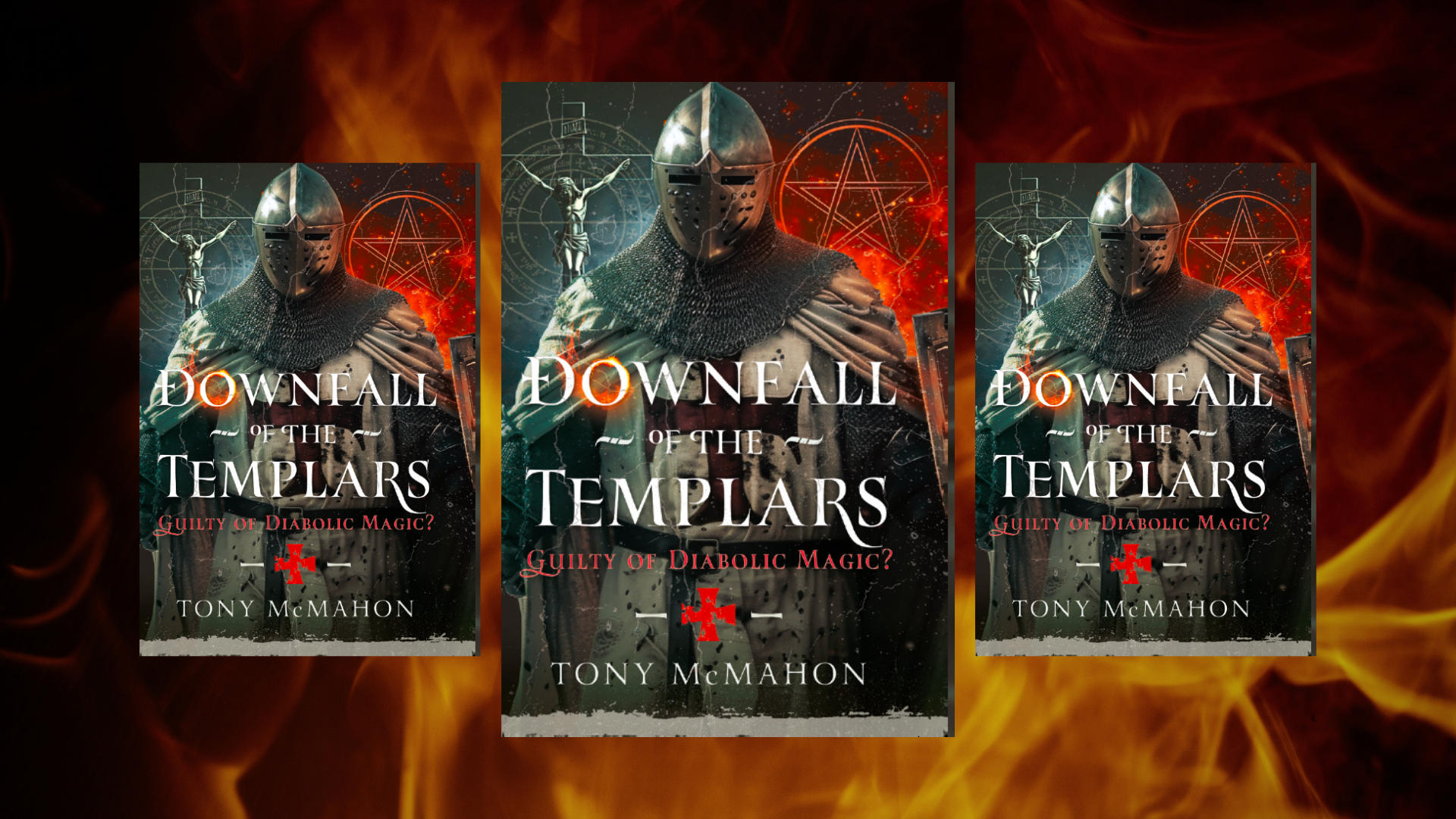
If you would like to know more about the Knights Templar, then get your hands on a copy of my book: The Knights Templar – History & Mystery. Published by Pen & Sword and available on Amazon, Waterstones, Barnes & Noble, and WHSmith. Don’t miss out on your copy!



One thought on “Knights Templar and Witchcraft: A Dark Connection”