

Templars needed to cut a dash on the battlefield. First into battle and last out – they had to be recognisable and pushing that all important Templar brand. One way to achieve this was through the covering of their horse in a caparison.
What was a caparison? In medieval times, a knight’s horse might wear a caparison, a large textile covering for protection and decoration, often part of the horse armor known as barding, used in battle and tournaments. Thickly padded and quilted caparisons could offer some protection against weapons and the elements.
They were often designed to bear the rider’s heraldic colors or coat of arms, serving as a visual identifier. Caparisons were part of a larger system of horse armor known as barding, which included items like saddle blankets, head coverings, and shoulder pieces.
Some caparisons were designed to cover almost the entire horse, including the head, neck, and body. These caparisons were long enough to reach the fetlocks and were often decorated with intricate patterns.
Caparisons were adopted in the 12th century, likely in response to the conditions of campaigning in the Crusades, where local armies employed archers in large numbers.
What does a Templar caparison look like?
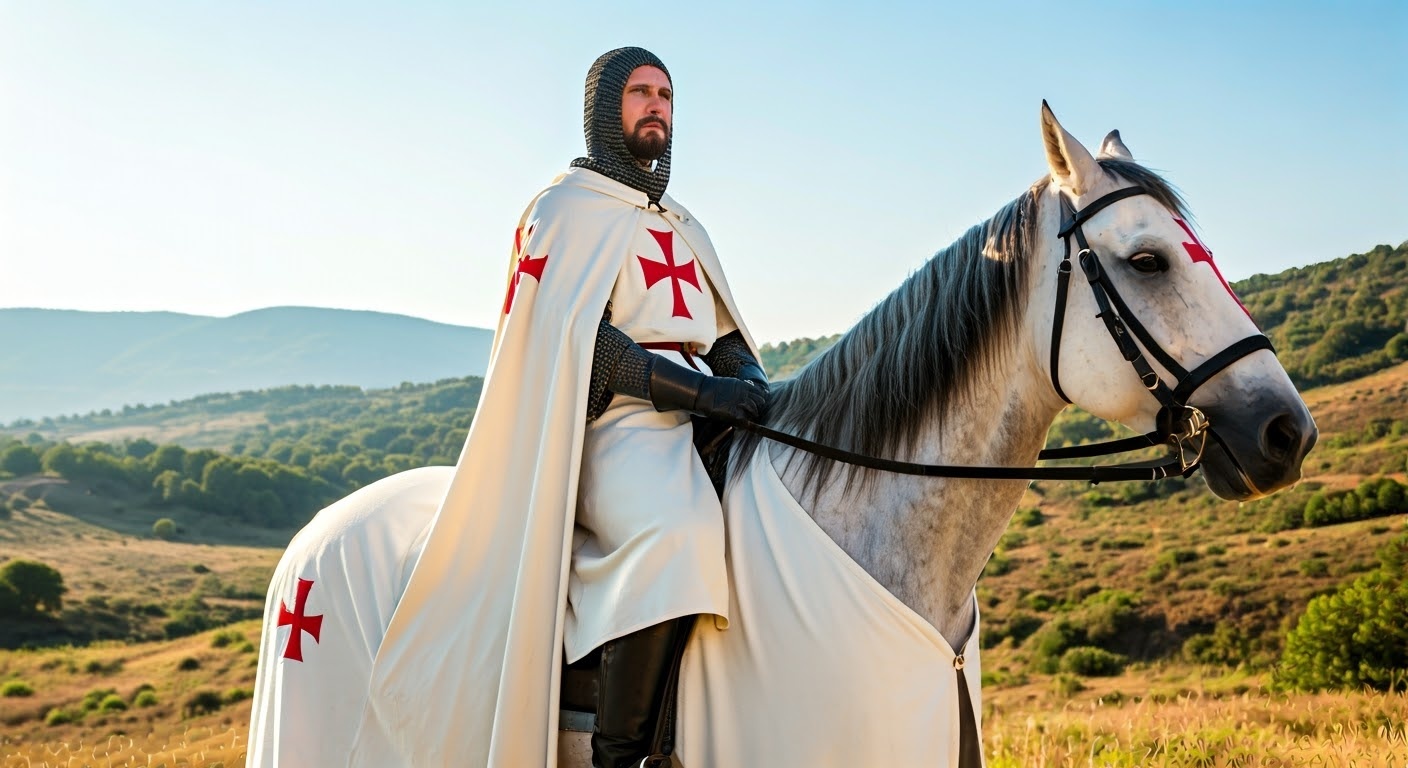
In Toledo, Spain, I came across a mode of a Templar in full battle dress. Let’s have a look at that horse…

The large cloth you can see covering the horse is a caparison. Templar caparisons were often black and white. They could also feature the red cross of the Templars. The caparison is also known as a shabraque or a horse trapper.
The premium war horse was a destier while a rouncey was more of a bog standard horse. A Templar knight would more than likely have had a horse for daily riding and another for war duty. I think I’m right in saying – will check the Rule later – that Templar knights were entitled to three horses in total. Note that bridles and all horse equipment was without any ornamentation – plain and simple only.
Other Templar battle gear:
- Cappa, which was a close fitting white robe
- Lance about 12 foot long and made of ash
- Arming sword about 38 inches long
- Full on battle sword about 48 inches long
- Chain mail hauberk that stretches down to his thighs
- Chain mail coif that goes over his head
- Metal cap like helmet over the coif that will eventually become the all-enclosed sugar-loaf shaped helmet after the mid-13th century
- Kite-shaped shield that can be slung across his back
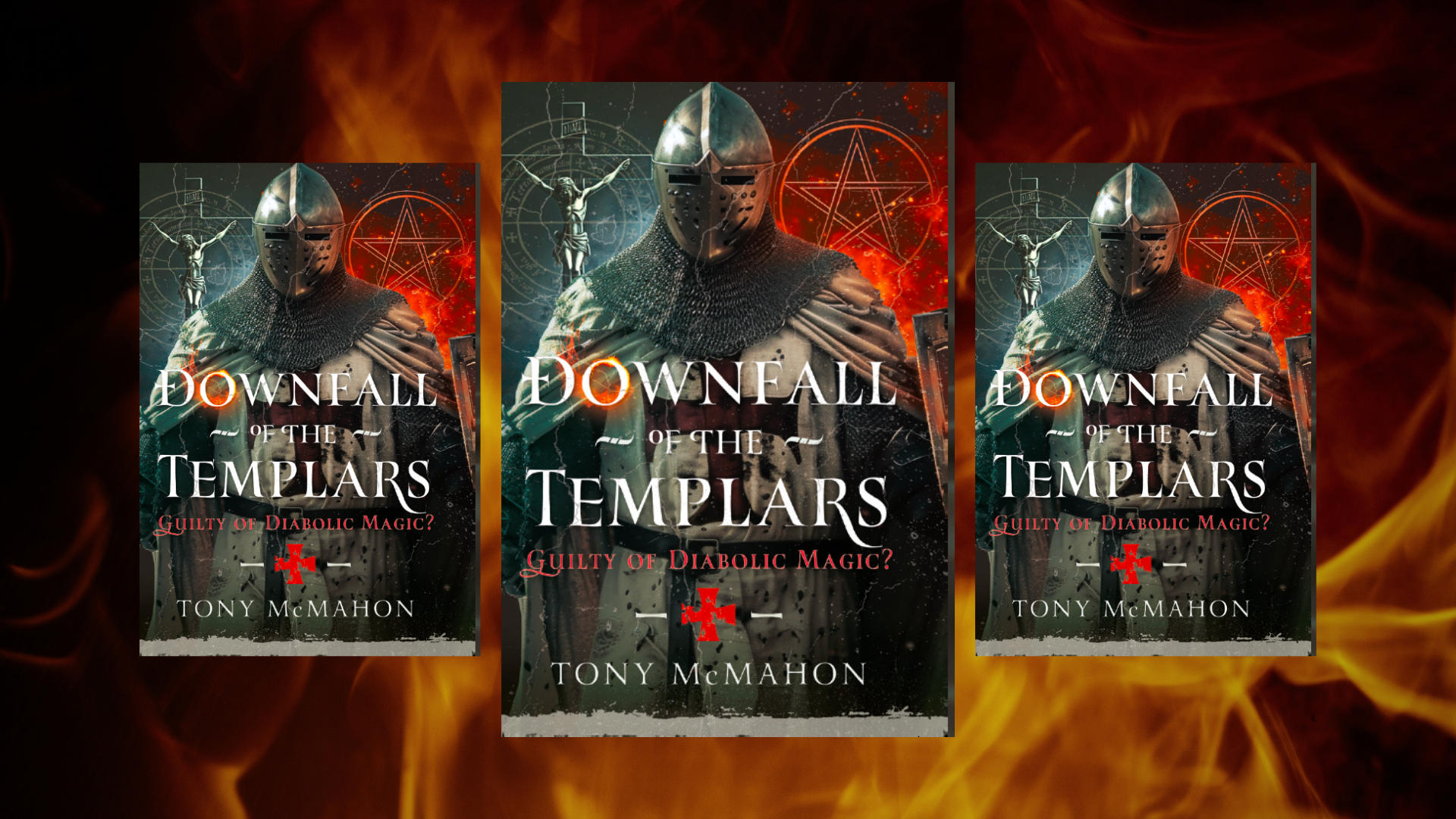
If you want to know more about the Templars – get a copy of my book The Knights Templar – History & Mystery – published by Pen & Sword – available on Amazon, WHSmith, Waterstones, and Barnes & Noble.



I am fascinated by the Knights story and look forward to reading your book.
Iain – thanks for that. I’ll keep the posts coming. The book is going through the editing process at the moment and I’ll blog on developments. Contracts signed for publication in Europe and UK to follow. Tony