

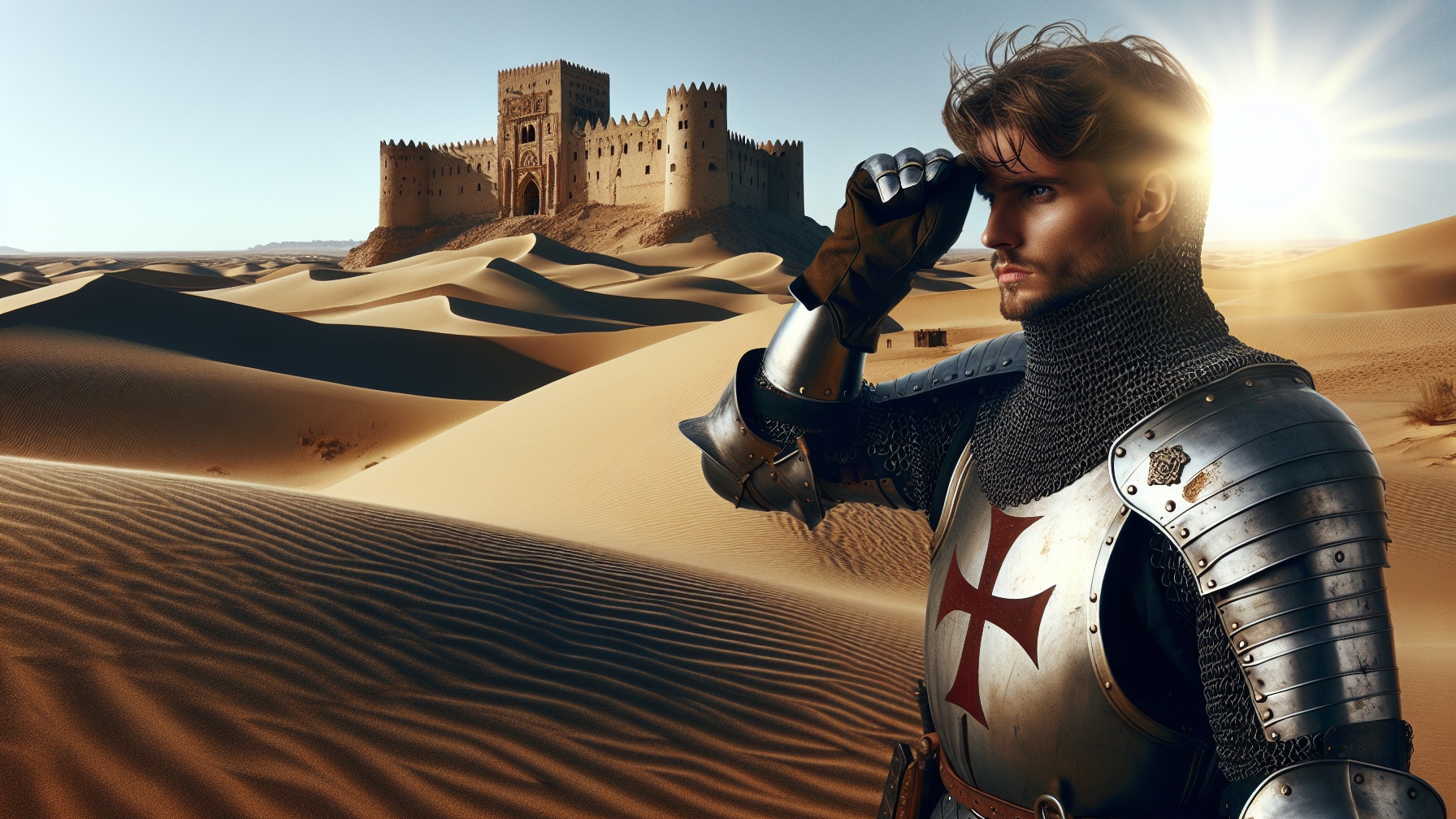
A two hour drive from Amman, the capital Jordan, brings you to the mighty crusader castle of Al-Kerak (also spelt Karak or Qal’at al-Karak). It is a stunning survivor of the Crusades, towering over the surrounding area. The castle is so huge that it takes some two or three hours to see all of it – and it is dripping with history.
Unfortunately, history is still being made there – and not in a good way. In 2016, three years after I first visited, the terrorist group ISIS was involved in a shoot out with the Jordanian military. Seven security officers, two Jordanian civilians, and a Canadian tourist were killed during the incident. The Canadian, Linda Vatcher, was a retired schoolteacher visiting her son, who worked in the region.
Obviously if you are visiting, then it’s wise to take all precautions. However, having toured all over Jordan, I can assure you that it’s a very safe country. Though as you know from watching the news, it’s a volatile part of the world.
The notorious crusader, Reynald of Châtillon, became the owner and ruler of Kerak Castle after marrying Stephanie of Milly. Kerak served as his main fortress and base of operations during his time in the Holy Land. Reynald’s raids and attacks, particularly on Muslim caravans and pilgrims, made him a target of Saladin’s wrath. His aggressive actions, including attacking Mecca and Medina in 1182, eventually led Saladin to besiege Kerak, which fell after an eight-month siege.
What strikes you on a visit is the sheer size of Kerak – a huge hulk that dominates a hillside. When I looked down the hill from within the castle, I really got the impression that the crusaders who were based there would have believed it was impregnable.

Underneath the castle is a warren of tunnels and windowless rooms.


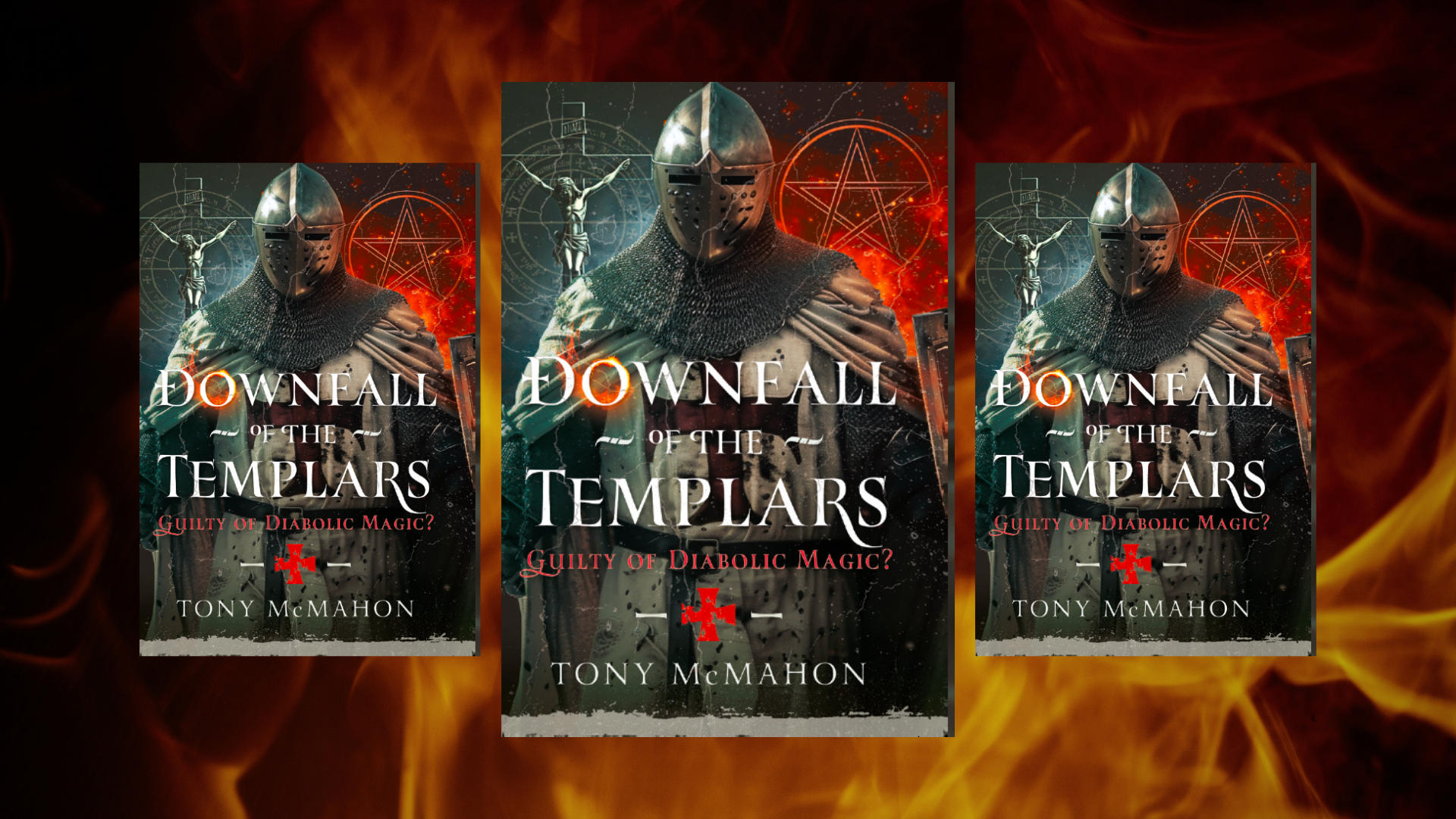
If you would like to know more about the Knights Templar, then get your hands on a copy of my book: The Knights Templar – History & Mystery. Published by Pen & Sword and available on Amazon, Waterstones, Barnes & Noble, and WHSmith. Don’t miss out on your copy!