

Many medieval buildings in Britain are covered in graffiti. It’s often quite shocking to see a tomb from the Templar period defaced with the initials of people who thought it was very important to leave behind their name carved into stone. But not all graffiti is bad. Some would say – none of it is. Because incredibly, graffiti can give us new insights into the past. Sounds unlikely? Read on!
First of all – let me introduce you to some tombs in cathedrals I’ve visited in recent months. Prepare to be shocked and appalled! This example of a medieval tomb covered in graffiti is in Salisbury cathedral, England, where I visited recently.

During my visit to Wells Cathedral, in south-west England, I saw this poor bishop’s face covered in graffiti.

In the same cathedral, at Wells, this medieval noble has had the graffiti treatment.

But look more closely. This isn’t 21st, 20th, or even 19th century graffiti. Much of it is from the 17th and 18th centuries – often by school pupils who had little respect for these venerable figures. Why so little regard for the past? Well, it comes down, in part, to religion.
These medieval tombs were built before the Protestant Reformation in the 16th century. So, they were symbols of the Roman Catholic history of England. Up until the early 19th century, Roman Catholics were discriminated against and even forbidden to vote until 1829.
During the Reformation, cathedral statues were smashed, altars torn down, and the tombs of saints utterly destroyed. So, for a Protestant English pupil in the 18th century, carving on the face of a Catholic bishop was as much a statement of loyalty to the new faith as an act of mindless vandalism.
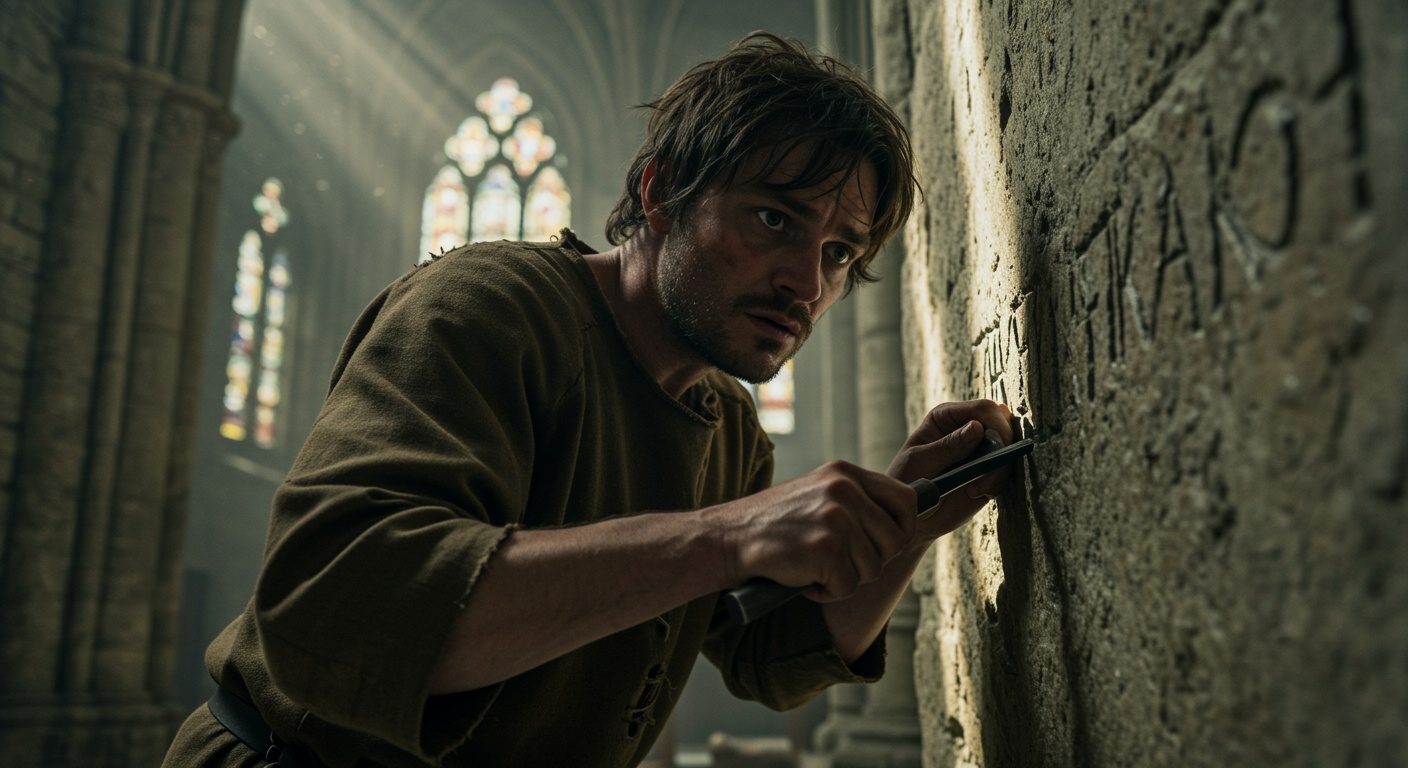
Medieval people did graffiti too
But then if we go back to the Middle Ages, we make a fascinating discovery. Medieval people were just as guilty of graffiti as later generations. St Mary’s church in Ashwell in the English county of Hertfordshire is one of those beautiful medieval churches that dots the countryside. You can access its website here.
The tower is unusually thick, built in the fourteenth century, with a stone passage built in to the walls. There were originally battlements on top of the tower (expecting trouble?) but these were removed about two hundred years ago. The most interesting feature of the church for me is the graffiti. Written at a time of huge upheaval in England with plague and revolt, it’s a great insight in to what people were actually thinking seven hundred years ago.
The church website argues that the scrawlings were most likely made by outsiders like architects, penitents and even priests. But one piece of graffiti suggests to me that a local hand might have been involved. It’s likely to have been carved during the Peasant’s Revolt of 1381 and is in Latin:
penta miseranda ferox violenta superest plebs pessima testis in fineque ventus validus oc anno maurus in orbe tonat
Don’t put that through Google Translate because you’ll get total gibberish. The translation I have obtained from another reputable source is: The people who remain are driven wild and miserable. They are wretched witnesses to the end. A strong wind is thundering over the whole earth. Written on Saint Maurus’ Day.
More graffiti goes on to relate:
There was a plague
1000, three times 100, five times 10,
a pitiable, fierce violent
(plague departed); a wretched populace survives to witness and in the end
a mighty wind, Maurus, thunders in this year in the world, 1361
On the pillars in the church are other bits of graffiti which vary from popular sayings to pithy comments. One of the latter was written by an irritated architect:
Cornua non sunt arto compugenta sputuo
the corners are not jointed correctly. I spit on them
Another is a less than flattering view of one of the clerics:
Archi(di)aconus Asemnes
The Archdeacon is an ass
So let’s not be too quick to condemn graffiti. Because with this medieval scrawl here – we can finally hear the voices of people from that period of history.
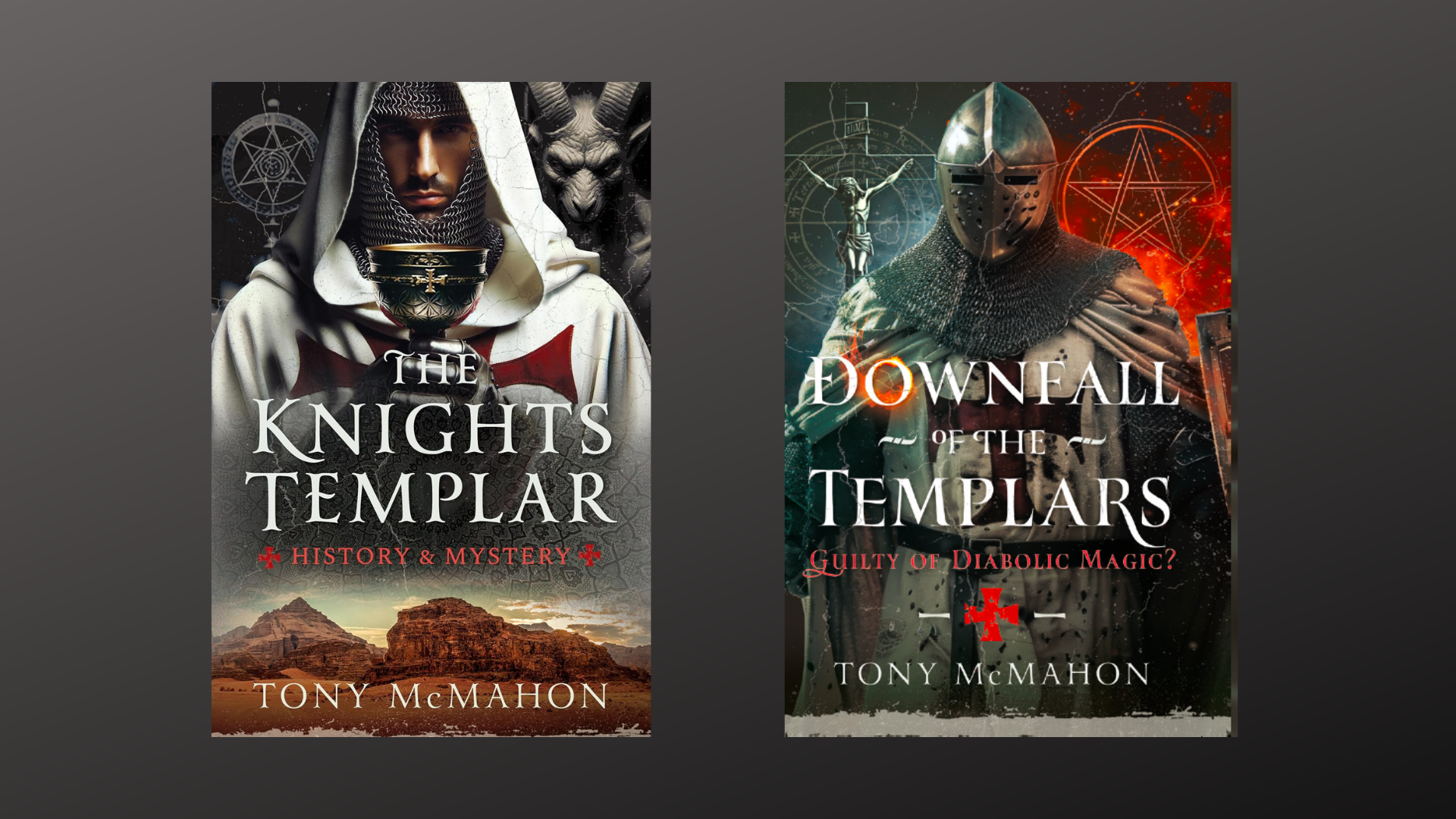
If you would like to know more about the Knights Templar, then get your hands on a copy of my book: The Knights Templar – History & Mystery. Published by Pen & Sword and available on Amazon, Waterstones, Barnes & Noble, and WHSmith. Don’t miss out on your copy!